
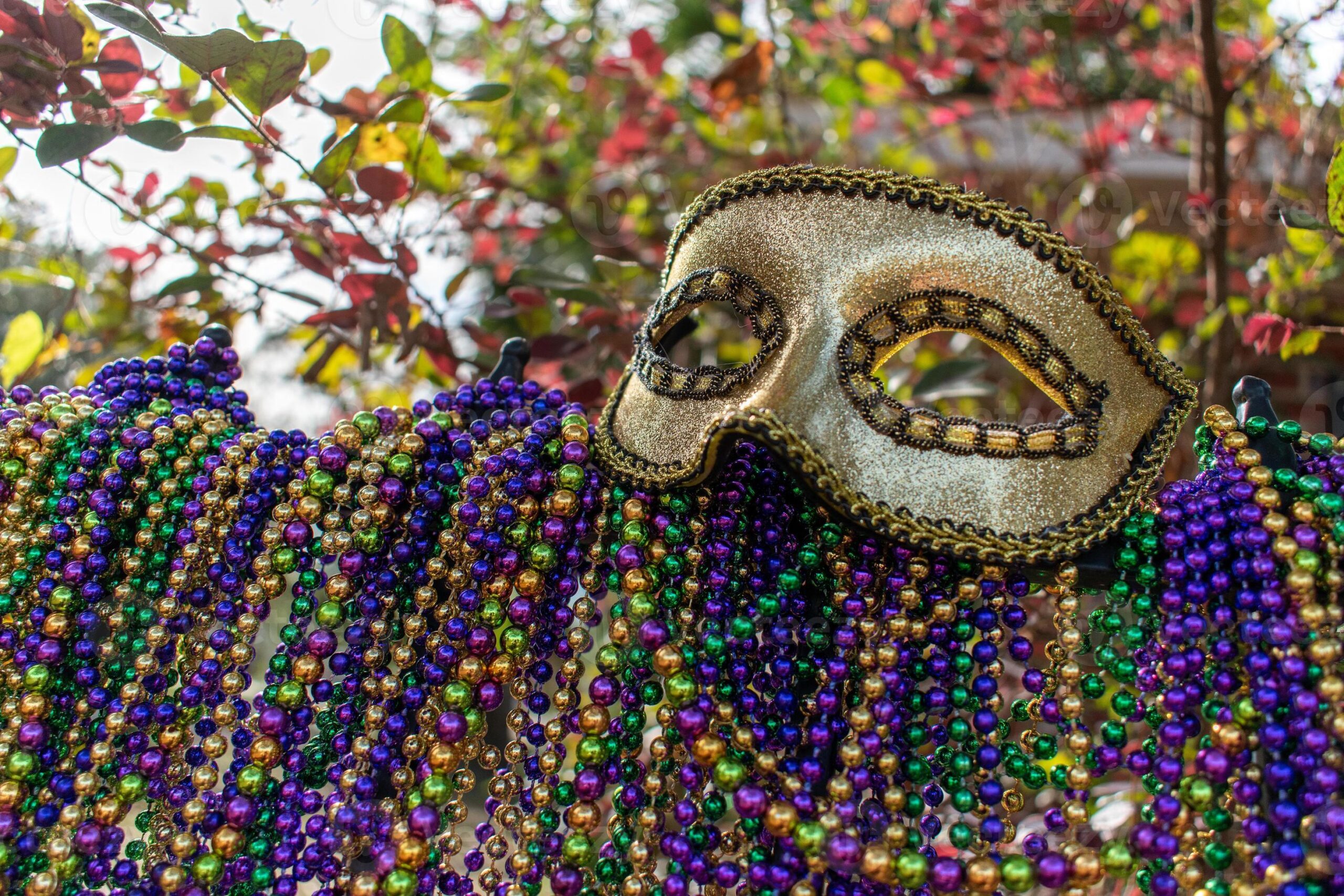
Mardi Gras is an annual worldwide cultural celebration, that might best be described as a global carnival without borders. It brings together different cultures to mask up and make merry under one common theme.
Mardi Gras is named after the French term for ‘Fat Tuesday’ – falling right before ‘Ash Wednesday’ on the Christian calendar. It is known as the final day of indulgence before the more reflective season of Lent starts.
The origin of Mardi Gras can be traced back to medieval Europe. When parties would take place prior to the start of religious observances. In North America, its believed the first Mardi Gras occurred in 1699 when French explorers landed just south of present day New Orleans.
Being that it was the eve of France’s annual celebration, they had their own party to celebrate safe arrival. They named the spot Point du Mardi Gras, unknowingly sowing the seeds for what would become an increasingly popular tradition in the centuries to follow.
Rio de Janeiro, Brazil
For Mardi Gras without the chaos of Bourbon Street, leave the USA behind and follow the rhythm to Rio de Janeiro in South America. Where the celebration still feels ancient, sacred, and wildly theatrical. ‘Rio Carnival’ is a full-sensory dream, with drumbeats echoing off surrounding hills. And parades burst with towering floats, feathers and sequins, captivating choreography, and unbridled joy.
Venice, Italy
On the other side of the Atlantic, Mardi Gras shifts into something entirely different. The ‘Carnevale de Venezia’ is mysterious, elegant, and cinematic. Turning narrow alleyways into a living masquerade of masks, as costumed revelers emerge into the streets. The energy may feel more composed than in other places, but the atmosphere is equally intriguing. Like Renaissance paintings come to life.
Cologne, Germany
Head north, where ‘Cologne Carnival’ feels like structured chaos at Germany’s largest Mardi Gras event. Suits come off, costumes go on, and the city trades efficiency for exuberance. Parades take over the streets, with sweets handed out to the kids, and beer halls swelling with song. All culminating in an unforgettable setting of German-style camaraderie and confetti.
Binche, Belgium
The ‘Carnaval de Binche’ is one of Europe’s oldest Mardi Gras celebrations. Dating back to the Middle Ages, its tradition includes local men wearing wax masks, wooden clogs, and ostrich-feather hats on Shrove Tuesday. They march cobblestone streets to the steady beat of drums, tossing oranges into the crowd as symbols of good fortune. Recognized by UNESCO for its cultural significance, it feels like living folklore.
Nice, France
The Mediterranean comes alive with floral feuds at Mardi Gras time, in one of the largest and most beautiful festivals in the world. The ‘Nice Carnival’ is known for its flower battles – marked by floats layered in blooms, and performers who toss petals to the crowds. With sunlight, palm trees, and seaside views, the Riviera elegance will make you want to dress your glamourous best. Even when you don’t have to.
While Mardi Gras exists on different continents with different cultures and climates, and while the the origin of Mardi Gras varies from place to place, one thing remains consistent: each festival celebrates being alive. In their own way, with colour, costumes, cuisine, and camaraderie.